
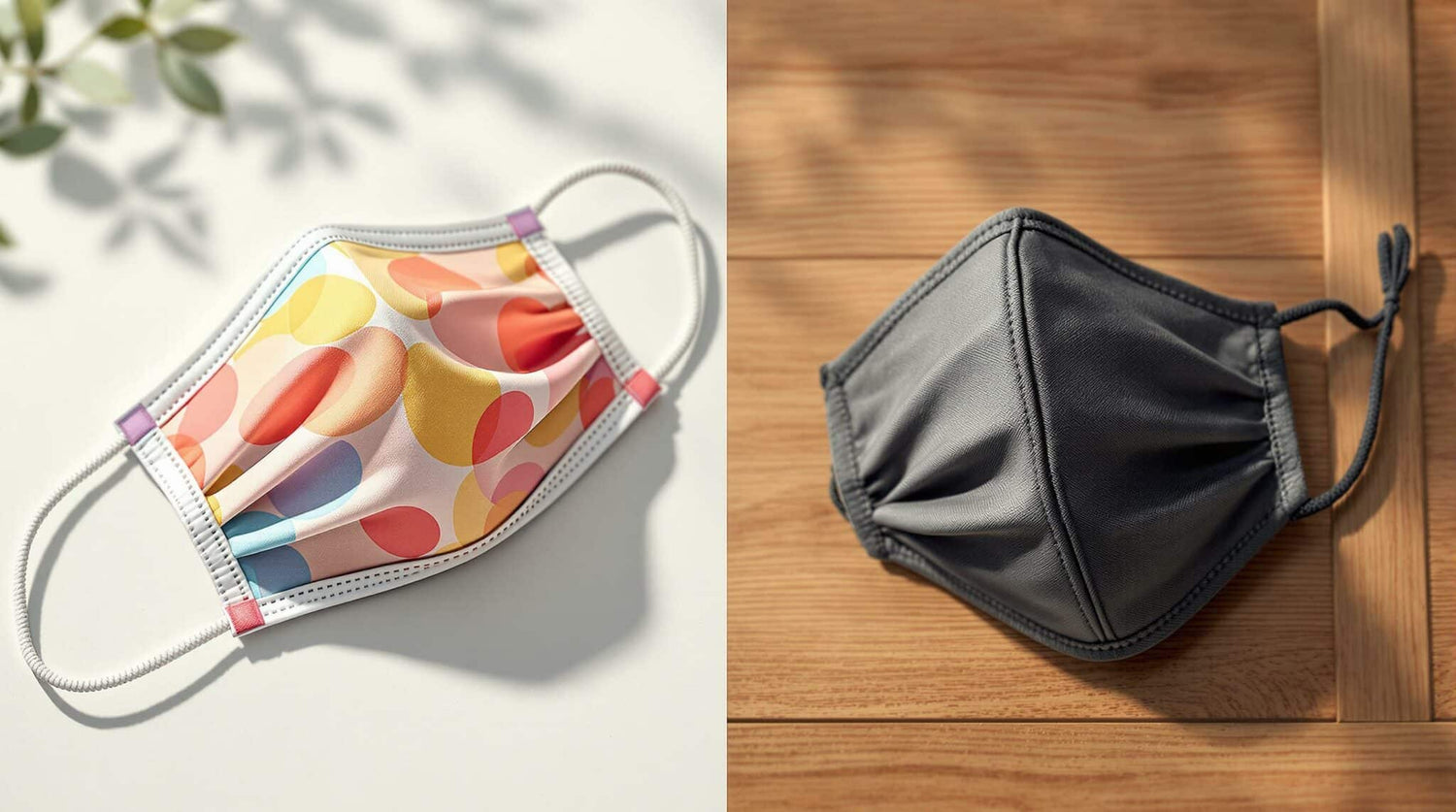
Materials and Design: Differences in Respiratory Protective Masks
Disposable or reusable mask? The choice depends on your needs. Disposable masks offer quick protection, are inexpensive, but can only be used once. Reusable masks are more sustainable, durable and adaptable through replaceable filters. Both protect effectively but require correct application.
Mepilex Adaptable Foam Dressing 10 x 10 cm, 1 pack = 5 pieces
Key Takeaway:
- Disposable masks: 3-layer (polypropylene), up to 95% filtration efficiency, usable for 4–8 hours.
- Reusable masks: Cotton/polyester + filter insert, washable, up to 50 cycles, 90–95% filtration efficiency.
| Criterion | Disposable Masks | Reusable Masks |
|---|---|---|
| Material Structure | Polypropylene (3-layer) | Cotton/polyester + filter |
| Durability | 4–8 hours | Up to 6 months |
| Cost | 15–20 € monthly | 20–25 € (one-time) + filters |
| Filtration Efficiency | Up to 95% | 90–95% (with fresh filter) |
| Maintenance | None | Regular cleaning required |
| Environment | Single-use, waste | Reusable |
Tip: For short-term use, disposable masks are practical. Reusable masks are worthwhile with long-term use and reduce waste.
LEUKOSTRIP Wundnahtstreifen (6,4 x 76mm) 10x3 Streifen, PZN 07610380n" tabindex="-1" class="sb h2-sbb-cls">1. Disposable Masks
Disposable masks consist of multiple layers, each serving specific protective functions.
These masks consist of three main layers:
| Layer | Material | Function |
|---|---|---|
| Outer layer | Hydrophobic polypropylene | Protects against water and splashes |
| Middle layer | Meltblown nonwoven | Filters particles and aerosols |
| Inner layer | Soft nonwoven | Skin-friendly and absorbs moisture |
The design aims to provide both comfort and a good fit. Key features include:
- Nose wire: Made from aluminum to allow individual adjustment.
- Ear loops: Elastic, latex-free straps ensure a secure and comfortable fit.
- Pleating: Three-panel design for better fit and space-saving storage.
Filtration efficiency depends largely on the quality of the meltblown nonwoven in the middle layer. High-quality disposable masks can, when used correctly:
- Filter particles down to 0.3 micrometers,
- Achieve filtration efficiency of up to 95% according to FFP2 standard,
- Simultaneously ensure good breathability through optimal material density.
Correct mask fit is crucial to maximize protection. The nose wire should fit snugly so the mask is drawn slightly to the skin during inhalation.
Note: Parahealth offers a wide range of certified disposable masks that meet current quality standards.
The next section takes a closer look at the material structure of reusable masks.
Reusable masks differ significantly from disposable masks through their more robust construction. They typically consist of multiple layers:
| Layer | Material | Properties |
|---|---|---|
| Outer layer | Polyester or cotton | Water-resistant and durable |
| Filter layer | Replaceable filter nonwoven | High filtration efficiency, easily replaceable |
| Inner layer | Organic cotton | Gentle on skin, regulates moisture |
This combination provides a durable and reliable product.
Reusable masks are designed to be both practical and environmentally conscious. Main features include:
- Adjustable head straps for optimal fit and comfort.
- Reinforced seams that withstand frequent washing without issue.
- Filter pockets that make filter replacement quick and easy.
The thoughtful design also simplifies care and extends the mask's lifespan.
Proper care is essential to ensure the mask's function and hygiene:
- Cleaning: Wash the mask at 60 °C according to manufacturer instructions. Let it air-dry completely to avoid damage from high temperatures. Regularly check the mask for signs of wear.
- Filter replacement: Replace the filter once it becomes soiled or airflow is compromised.
- Drying: After washing, the mask should dry completely at room temperature. Avoid direct sunlight or dryer use as this may damage the material.
Although initial costs for high-quality reusable masks appear higher, they quickly pay for themselves through extended use and the ability to replace filters. Reduced material consumption also means less environmental impact, making them a sustainable choice.
Tip: In the Parahealth assortment, you'll find verified reusable masks with replaceable filters that meet the highest quality standards.
sbb-itb-ff558d6
Here are the key differences between disposable and reusable masks summarized:
| Criterion | Disposable Masks | Reusable Masks |
|---|---|---|
| Material Structure | 3-layer nonwoven (polypropylene) | Multi-layer (polyester/cotton + filter nonwoven) |
| Durability | 4–8 hours wear time | Up to 50 wash cycles (approx. 6 months) |
| Monthly Cost | 15–20 € (with daily replacement) | Initial 20–25 € + 5 € for replacement filters |
| Filtration Efficiency | 95–98% (with correct use) | 90–95% (with fresh filter) |
| Environmental Impact | Non-recyclable, single-use | Reusable, lower impact |
| Fit | Standardized sizes | Adjustable to individual needs |
| Maintenance | None required | Regular cleaning and filter replacement |
A high-quality reusable mask typically pays for itself financially after 2–3 months of regular use.
Different material constructions have implications for long-term use. Reusable masks often offer better wearing comfort through adjustable head straps and softer inner materials. Both mask types offer high filtration efficiency, and reusable masks remain effective even after many wash cycles.
When choosing, consider the following points:
- Medical environment: Disposable masks are often required.
- Short-term use: Disposable masks are more cost-effective for brief use.
- Maintenance: Reusable masks require access to washing facilities.
- Environmental impact: Disposable masks create more waste.
The decision depends on your personal needs. Beyond material and cost, environmental considerations should also play a role.
In conclusion: Choose a mask that suits your intended use, applicable health guidelines and personal comfort. Regardless of which mask type you select – correct application and regular maintenance are crucial to ensure optimal protection. A selection of verified mask products can be found on the parahealth website.
- 7 Important Hygiene Standards for Care Facilities
- Wound Care: The 10 Most Common Questions Answered
- Gloves in Nursing 2025: Latex, Vinyl or Nitrile Gloves
- Washable vs. Disposable Incontinence Pads: Comparison
Recommended Products

Leave a comment
All comments are moderated before being published.
This site is protected by hCaptcha and the hCaptcha Privacy Policy and Terms of Service apply.