
Was sind K.-o.-Tropfen?
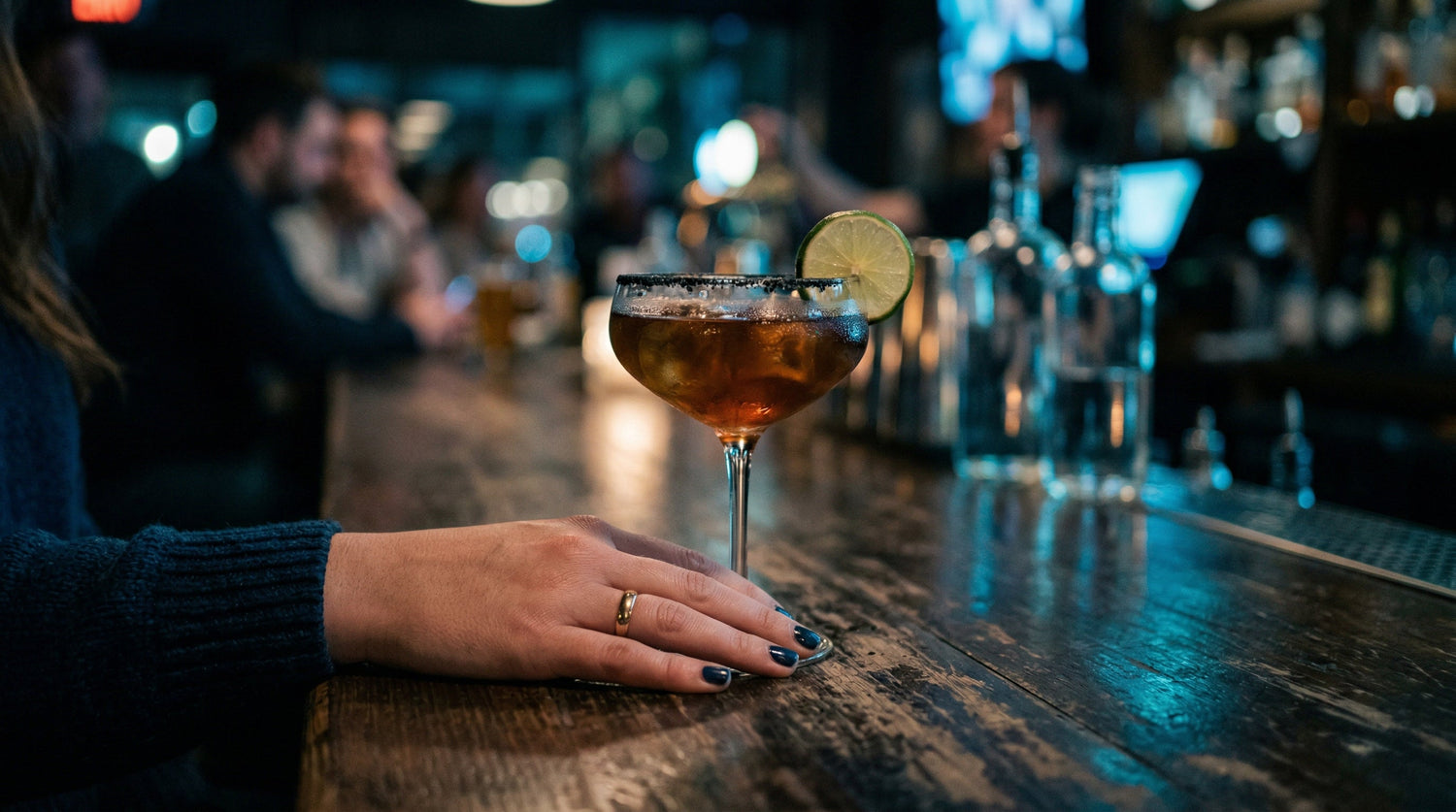
K.-o.-Tropfen sind Substanzen, die verwendet werden, um eine Person wehrlos zu machen und sie so sexualisierter Gewalt oder Raub auszusetzen. Diese Mittel werden manchmal auch als „Predator Drugs“ oder „Club Drugs“ bezeichnet, weil sie häufig in Getränke in Bars, Clubs, bei Partys oder gesellschaftlichen Zusammenkünften eingebracht werden. Die meisten K.-o.-Tropfen weisen eine Reihe von Eigenschaften auf, die sie besonders gefährlich machen: Sie sind farblos, geruchlos und geschmacklos, sodass Betroffene in der Regel nicht bemerken, dass ihr Getränk manipuliert wurde.
Dem U.S. Office on Women's Health zufolge kann jede Substanz, die Urteilsvermögen und Verhalten beeinflusst, als K.-o.-Tropfen eingesetzt werden. Bestimmte Substanzen sind jedoch weitaus häufiger als andere, weil sie sehr schnell wirken, stark sedierend sind und den Körper rasch wieder verlassen, weshalb sie im Nachhinein schwer nachweisbar sind. Während Alkohol nach wie vor die am häufigsten beteiligte Substanz bei sexualisierter Gewalt unter Drogeneinfluss ist, stellt das absichtliche Versetzen von Getränken mit sedierenden Substanzen weltweit ein wachsendes Problem dar.
Häufige Arten von K.-o.-Tropfen
Ein Verständnis dafür, welche Substanzen beim Versetzen von Getränken verwendet werden, ist ein wichtiger erster Schritt zum eigenen Schutz. Die folgenden Mittel werden am häufigsten als K.-o.-Tropfen eingesetzt.
GHB (Gamma-Hydroxybuttersäure)
GHB gehört heute zu den am weitesten verbreiteten K.-o.-Tropfen. Dem National Institute on Drug Abuse zufolge hat GHB Rohypnol als die am häufigsten bei sexualisierter Gewalt unter Drogeneinfluss verwendete Substanz abgelöst, vor allem weil es günstiger, leichter verfügbar ist und den Körper innerhalb weniger Stunden wieder verlässt. GHB wirkt in der Regel nach 10 bis 15 Minuten und kann bis zu vier Stunden anhalten. In niedrigen Dosen verursacht es Euphorie und Entspannung, in höheren Dosen führt es jedoch zu Bewusstlosigkeit, Atemdepression und Amnesie. Eine exakte Dosierung ist äußerst schwierig, und der Abstand zwischen einer sedierenden Dosis und einer lebensbedrohlichen Überdosis ist gefährlich gering, insbesondere in Kombination mit Alkohol.
Rohypnol (Flunitrazepam)
Rohypnol, oft als „Roofies“ bezeichnet, ist ein Benzodiazepin, das etwa zehnmal stärker wirkt als Diazepam (Valium). Die Wirkung setzt 15 bis 30 Minuten nach der Einnahme ein und kann mehrere Stunden andauern. Rohypnol verursacht Sedierung, Muskelentspannung, beeinträchtigtes Urteilsvermögen und anterograde Amnesie, das heißt, Betroffene können sich möglicherweise nicht an Ereignisse erinnern, die unter dem Einfluss des Mittels stattgefunden haben. Obwohl Hersteller die Formulierung geändert haben, sodass Getränke beim Auflösen blau werden, bleiben ältere Formulierungen und Generika farblos und schwer zu erkennen.
Ketamin
Ketamin ist ein dissoziatives Anästhetikum, das in der Human- und Veterinärmedizin rechtmäßig eingesetzt wird. Als K.-o.-Tropfen verursacht es einen tranceartigen Zustand, Verwirrung, Koordinationsverlust und Gedächtnisstörungen. In höheren Dosen können Betroffene erleben, was als „K-Hole“ bezeichnet wird, einen Zustand nahezu vollständiger Dissoziation von der Realität. Ketamin wirkt rasch, oft innerhalb weniger Minuten, wenn es in einem Getränk aufgelöst wird, und seine Wirkung kann ein bis zwei Stunden andauern.
Scopolamin
Scopolamin, gewonnen aus Pflanzen der Nachtschattengewächse, hat in den letzten Jahren als K.-o.-Tropfen Aufmerksamkeit erlangt. Es wird manchmal als „Devil's Breath“ bezeichnet und wurde in Fällen in Südamerika, Europa und zunehmend auch in Nordamerika dokumentiert. Scopolamin kann extreme Suggestibilität, Amnesie und den Verlust des freien Willens auslösen. Opfer können wach und handlungsfähig erscheinen, sind aber nicht in der Lage, Befehlen zu widerstehen oder sich später an die Ereignisse zu erinnern. Es kann über Getränke, Speisen oder sogar über die Haut aufgenommen werden.
Benzodiazepine und andere Beruhigungsmittel
Neben Rohypnol werden auch andere Benzodiazepine wie Alprazolam (Xanax), Clonazepam (Klonopin) und Diazepam (Valium) verwendet, um Getränke zu versetzen. Eine 2024 in Forensic Science International: Synergy veröffentlichte Studie analysierte forensisch-toxikologische Daten aus Fällen von sexualisierter Gewalt unter Drogeneinfluss und stellte fest, dass Benzodiazepine als Wirkstoffklasse zu den am häufigsten nachgewiesenen Substanzen gehörten. Darüber hinaus sind neuere Substanzen wie Gabapentin, ein Antikonvulsivum und Mittel gegen Nervenschmerzen, in Berichten über Getränkeversetzung aufgetaucht. Auch Stimulanzien wie Kokain, Methamphetamin und Amphetamin werden eingesetzt, teils in Kombination mit Beruhigungsmitteln, um Opfer zu kontrollieren und zu desorientieren.
Wie verbreitet ist das Versetzen von Getränken?
Das Versetzen von Getränken ist weit verbreiteter, als viele Menschen annehmen, und die Zahlen steigen weiter. Eine 2025 von Drinkaware durchgeführte Umfrage mit 7.256 Erwachsenen aus dem Vereinigten Königreich ergab, dass etwa 2 % der Erwachsenen angaben, in den vorangegangenen 12 Monaten Opfer einer Getränkeversetzung geworden zu sein. Auf die Gesamtbevölkerung hochgerechnet entspricht dies allein im Vereinigten Königreich fast einer Million Menschen. Die Lebenszeitprävalenz ist noch höher: 11 % der Erwachsenen im Vereinigten Königreich berichten, dass ihnen irgendwann im Leben etwas ins Getränk gegeben wurde, davon 13 % der Frauen und 9 % der Männer.
Bei jüngeren Bevölkerungsgruppen sind die Zahlen besonders alarmierend. Forschungen der LADbible Group ergaben, dass 70 % der 18- bis 24-Jährigen entweder selbst eine Getränkeversetzung erlebt oder miterlebt haben, wobei über die Hälfte der Frauen (51 %) und 69 % der LGBTQ+-Personen in dieser Altersgruppe von persönlichen Erfahrungen berichteten. Die am häufigsten genannten Orte waren Bars (41 %), gesellschaftliche Veranstaltungen (26 %) und Nachtclubs (25 %), mit den höchsten Vorkommensraten bei Erwachsenen im Alter von 25 bis 34 Jahren.
Eine 2024 im Journal of Drug Issues von Davies et al. veröffentlichte Studie untersuchte Vorfälle mit Getränkeversetzung in 22 Ländern anhand von Daten der Global Drug Survey. Die Ergebnisse bestätigten, dass das Versetzen von Getränken nicht auf eine einzelne Region oder Kultur beschränkt ist, sondern ein globales Phänomen darstellt. Dennoch bleibt die Untermeldung ein großes Problem. Weniger als ein Viertel der Opfer (23 %) kontaktierte die Polizei, wobei die häufigsten Gründe die Überzeugung waren, dass nichts unternommen würde (39 %), und die Unfähigkeit, sich klar an die Ereignisse zu erinnern (38 %).
Anzeichen und Symptome einer Vergiftung
Die Anzeichen einer Getränkeversetzung zu erkennen, sei es bei sich selbst oder bei anderen, kann entscheidend sein. Die konkreten Symptome hängen von der verwendeten Substanz, der Dosis und davon ab, ob sie mit Alkohol kombiniert wurde, doch es gibt häufige Warnsignale, auf die Sie achten sollten.
Wenn Sie oder jemand in Ihrer Umgebung nach dem Konsum eines Getränks eines der folgenden Symptome bemerken, sollte an eine Getränkeversetzung gedacht werden:
Plötzliche und unverhältnismäßige Trunkenheit - Sie fühlen sich deutlich betrunkener, als die konsumierte Alkoholmenge erklären würde. Dies ist eines der am häufigsten berichteten Frühsymptome.
Verwirrtheit und Desorientierung - Schwierigkeiten, klar zu denken, zu verstehen, was passiert, oder Entscheidungen zu treffen. Opfer beschreiben oft einen „nebelhaften“ Geisteszustand, der sehr schnell einsetzt.
Verlust der Muskelkontrolle - Schwierigkeiten beim Stehen, Gehen oder bei der Koordination von Bewegungen. Die Beine können sich schwach oder „wabbelig“ anfühlen.
Übelkeit und Erbrechen - insbesondere wenn sie in keinem Verhältnis zur konsumierten Alkoholmenge stehen.
Gedächtnislücken oder Blackouts - Aufwachen mit teilweiser oder vollständiger Amnesie über einen Zeitraum von mehreren Stunden. GHB und Rohypnol stehen insbesondere im Zusammenhang mit anterograder Amnesie.
Ungewöhnliche Schläfrigkeit oder Schwierigkeiten, wach zu bleiben - ein plötzlicher, überwältigender Drang zu schlafen, der sich anders anfühlt als normale Müdigkeit oder alkoholbedingte Schläfrigkeit.
Sehstörungen - verschwommenes Sehen, Tunnelblick oder Halluzinationen können insbesondere bei Ketamin und Scopolamin auftreten.
Es ist wichtig zu verstehen, dass nicht alle diese Symptome auftreten müssen. Selbst ein oder zwei, insbesondere wenn sie in keinem Verhältnis zum Konsumierten zu stehen scheinen, sollten ernst genommen werden.
Nachweisfenster: Warum Zeit entscheidend ist
Eine der größten Herausforderungen bei K.-o.-Mitteln ist, wie schnell sie den Körper wieder verlassen. Aus Sicht des Täters ist dies gewollt: Je schneller eine Substanz abgebaut wird, desto schwieriger lässt sich nachweisen, dass ein Getränk versetzt wurde.
Laut den American Addiction Centers und der Literatur zur forensischen Toxikologie gelten folgende typische Nachweisfenster:
GHB: Im Blut bis zu 8 Stunden, im Urin bis zu 12 Stunden und im Speichel etwa 6 Stunden nachweisbar. GHB hat eine Halbwertszeit von nur 30 bis 60 Minuten, was es zu einer der am schwierigsten nachweisbaren K.-o.-Tropfen macht. Eine Haaranalyse kann GHB noch bis zu einem Monat später nachweisen, erfordert jedoch spezialisierte Labortests.
Rohypnol: Im Urin mit Standard-Immunoassays bis zu 72 Stunden nachweisbar, wobei Metaboliten mit fortschrittlichen Methoden bis zu 28 Tage lang nachweisbar sein können. Der Blutnachweis ist auf etwa 24 Stunden begrenzt.
Ketamin: Im Urin 2 bis 4 Tage und im Blut bis zu 24 Stunden nachweisbar. Haarfollikeltests können das Nachweisfenster auf mehrere Wochen verlängern.
Scopolamin: Im Urin etwa 72 Stunden nachweisbar, wobei die Konzentrationen jedoch schon deutlich früher unter die Nachweisgrenzen von Standardtests fallen können.
Diese engen Zeitfenster unterstreichen einen entscheidenden Punkt: Wenn Sie vermuten, dass Ihr Getränk versetzt wurde, ist ein Test des Getränks vor dem Konsum deutlich zuverlässiger als der Versuch, die Substanz anschließend in Ihrem Körper nachzuweisen. Bis die meisten Opfer erkennen, was geschehen ist, und medizinische Hilfe suchen, sind viele dieser Substanzen bereits so weit verstoffwechselt, dass sie nicht mehr nachweisbar sind.
Getränketest: Methoden und Grenzen
Es gibt mehrere Produkte, die angeben, K.-o.-Tropfen in Getränken nachzuweisen. Ihre Unterschiede, Fähigkeiten und Grenzen zu verstehen, ist wichtig, um eine informierte Entscheidung für Ihre Sicherheit zu treffen.
Indikatoraufkleber, Bierdeckel und Armbänder
Die ersten Verbraucherprodukte zum Nachweis waren farbverändernde Testflächen wie Bierdeckel und Aufkleber. Die Anwender geben einen Tropfen ihres Getränks auf die Testfläche und beobachten eine Farbveränderung. In jüngerer Zeit sind auch Armbänder mit integrierten Testfeldern auf den Markt gekommen. Diese Produkte haben zwar das öffentliche Bewusstsein für das Versetzen von Getränken geschärft, weisen aber erhebliche Einschränkungen auf.
Eine in Forensic Science International veröffentlichte Studie untersuchte kommerziell erhältliche Getränketest-Bierdeckel und stellte fest, dass die Genauigkeit im praktischen Einsatz deutlich unter der Laborleistung lag. Von 101 von Verbrauchern im Feld durchgeführten Paartests lag die Genauigkeit nur bei 65,1 %. Das grundlegende Problem von Testformaten mit offener Oberfläche, ob Aufkleber, Bierdeckel oder Armbänder, besteht darin, dass die reaktive Testfläche ständig der Umgebung ausgesetzt ist. Luftfeuchtigkeit, Kondenswasser und sogar normales Wasser können falsch positive Reaktionen auslösen, während tatsächlich versetzte Getränke zu uneindeutigen Ergebnissen führen können. Das schafft ein gefährliches Paradox: Ein Produkt, das Sicherheit bieten soll, kann stattdessen eine falsche Beruhigung vermitteln und dazu führen, dass Anwender ein Getränk weitertrinken, von dem sie annehmen, es sei „freigegeben“, obwohl es nicht zuverlässig getestet wurde.
Immunochromatografische Teststreifen
Ein zuverlässigerer Ansatz nutzt die immunochromatografische Lateral-Flow-Technologie, dasselbe Prinzip wie bei COVID-Schnellantigentests und Schwangerschaftstests. Diese Teststreifen verwenden spezifische Antikörper zum Nachweis der Zielsubstanzen und erzeugen deutlich weniger falsche Ergebnisse als einfache Farbindikatoren.
Der DrinkCheck-Schnelltest wurde speziell entwickelt, um die Mängel früherer Nachweismethoden zu beheben. Statt einer offenen reaktiven Oberfläche verwendet er versiegelte immunochromatografische Teststreifen, die erst beim bewussten Eintauchen in eine Getränkeprobe aktiviert werden. Dieses Design beseitigt die Probleme durch Umwelteinflüsse, die Aufkleber- und Armbandformate betreffen. Der Test erkennt sechs oder mehr Substanzklassen, darunter GHB, Ketamin, Scopolamin, Kokain, Gabapentin und Amin-basierte Stimulanzien wie Methamphetamin und Amphetamin. Dieses breite Nachweisspektrum ist wichtig, weil sich Täter nicht auf eine einzige Substanz beschränken und ein Test, der nur ein oder zwei Drogen überprüft, erhebliche blinde Flecken lässt.
Das Team hinter DrinkCheck hat die Breite der Abdeckung bewusst so konzipiert. Das Versetzen von Getränken umfasst in der Praxis ein breites und sich weiterentwickelndes Spektrum an Substanzen, und ein Nachweiswerkzeug ist nur so nützlich wie seine Fähigkeit, das zu screenen, was tatsächlich verwendet wird. Durch die Abdeckung der wichtigsten in forensischen Falldaten vorkommenden Drogenklassen, einschließlich neuerer Gefahren wie Gabapentin, die viele konkurrierende Produkte nicht testen, zielt DrinkCheck darauf ab, substanziellen statt symbolischen Schutz zu bieten.
Für alle, die gezielt einen tragbaren K.-o.-Tropfen-Test suchen, stellt ein versiegelter Mehrstoff-Schnelltest, der in der Tasche oder im Handgepäck verfügbar ist, eine sinnvolle Verbesserung gegenüber Produkten dar, die auf die Umgebungseinwirkung auf eine offene Testfläche angewiesen sind.
Laboruntersuchungen
Der Goldstandard für den Nachweis von K.-o.-Tropfen in Getränken bleibt die Laboranalyse mittels Gaschromatographie-Massenspektrometrie (GC-MS) oder Flüssigchromatographie-Massenspektrometrie (LC-MS). Diese Methoden können praktisch jede Substanz in extrem niedrigen Konzentrationen nachweisen. Laboruntersuchungen erfordern jedoch, dass eine Getränkeprobe aufbewahrt und an ein akkreditiertes Labor geschickt wird, was im gesellschaftlichen Umfeld selten praktikabel ist. Sie werden vor allem in der forensischen Untersuchung eingesetzt, nachdem ein Vorfall bereits geschehen ist.
Wie Sie sich schützen können
Keine Präventionsstrategie bietet hundertprozentige Sicherheit, doch eine Kombination aus Aufmerksamkeit, Verhalten und Hilfsmitteln kann Ihr Risiko deutlich senken.
Behalten Sie Ihr Getränk jederzeit im Auge. Lassen Sie ein Getränk niemals unbeaufsichtigt, auch nicht kurz. Wenn Sie weggehen müssen, trinken Sie Ihr Getränk zuerst aus, nehmen Sie es mit oder überlassen Sie es jemandem, dem Sie vollkommen vertrauen. Wenn Sie zurückkommen, lassen Sie sich ein frisches Getränk geben, anstatt eines weiterzutrinken, das außerhalb Ihrer Sicht war.
Holen Sie Ihre Getränke selbst. Wenn jemand Ihnen ein Getränk anbietet, gehen Sie mit zur Bar und achten Sie darauf, wie es zubereitet und eingeschenkt wird. Nehmen Sie Getränke ausschließlich direkt von Barkeepern oder Servicepersonal an.
Wählen Sie nach Möglichkeit Flaschen statt offene Gläser. Eine versiegelte Flasche ist schwerer zu manipulieren als ein offenes Glas. Halten Sie Ihren Daumen über die Öffnung, wenn Sie nicht gerade trinken.
Gehen Sie zu zweit oder in der Gruppe aus. Gehen Sie mit Freunden aus und verabreden Sie, dass Sie während des gesamten Abends aufeinander aufpassen. Legen Sie ein System zum regelmäßigen Check-in fest und einen Plan, wie Sie gemeinsam nach Hause kommen.
Führen Sie einen Getränketest mit. Wenn Sie einen Schnelltest auf K.-o.-Tropfen in Ihrer Tasche mitführen, können Sie ein Getränk überprüfen, falls Ihnen etwas komisch vorkommt. Schnelltests sind kompakt und unauffällig genug, um sie bei einem Abend unterwegs mitzunehmen.
Vertrauen Sie Ihrem Bauchgefühl. Wenn ein Getränk ungewöhnlich schmeckt, anders aussieht oder wenn Sie sich nach nur einem Getränk unerwartet betrunken fühlen, hören Sie sofort auf zu trinken und holen Sie sich Hilfe.
Achten Sie auf Ihre Umgebung. Überfüllte, schlecht beleuchtete Lokale, in denen Getränke häufig abgestellt werden, erleichtern das Versetzen von Getränken. Sich dieser Bedingungen bewusst zu sein bedeutet nicht, auf das gesellschaftliche Leben zu verzichten, aber es bedeutet, wachsam zu bleiben.
Was zu tun ist, wenn Sie vermuten, dass Sie betäubt wurden
Wenn Sie glauben, dass Ihr Getränk versetzt wurde, oder wenn Sie Symptome bemerken, die in keinem Verhältnis zu dem stehen, was Sie konsumiert haben, gehen Sie wie folgt vor.
Hören Sie sofort auf zu trinken. Trinken Sie das Getränk nicht aus. Bewahren Sie das Getränk nach Möglichkeit als Beweismittel auf, da es später untersucht werden kann.
Vertrauen Sie sich jemandem an. Informieren Sie eine Freundin oder einen Freund, einen Barkeeper oder das Sicherheitspersonal des Lokals. Im Vereinigten Königreich können Sie dem Barpersonal gegenüber die Codewort-Formel „Ask for Angela“ verwenden, um unauffällig zu signalisieren, dass Sie Hilfe benötigen.
Begeben Sie sich an einen sicheren Ort. Verlassen Sie das Lokal nicht allein. Lassen Sie sich von einer vertrauten Person nach Hause bringen oder rufen Sie den Notruf, wenn die Symptome schwerwiegend sind.
Suchen Sie so schnell wie möglich ärztliche Hilfe auf. Gehen Sie in eine Notaufnahme und teilen Sie dem medizinischen Team mit, dass Sie vermuten, betäubt worden zu sein. Fordern Sie sofort eine toxikologische Untersuchung an. Da viele K.-o.-Tropfen den Körper innerhalb weniger Stunden verlassen, zählt jede Minute. Wenn Sie das Getränk mitbringen können, tun Sie das.
Erstatten Sie Anzeige bei der Polizei. Auch wenn Sie unsicher sind, was geschehen ist, schafft eine Anzeige eine Dokumentation und kann helfen, andere zu schützen. Legen Sie alle Beweise vor, die Sie haben, einschließlich des Getränks, Zeitstempel sowie Angaben zum Lokal und zu beteiligten Personen.
Sichern Sie Beweismittel. Duschen Sie nicht, wechseln Sie nicht die Kleidung und waschen Sie sich nicht vor einer ärztlichen Untersuchung, wenn Sie einen sexuellen Übergriff vermuten. Medizinisches Personal kann forensische Beweise sichern, die für eine Untersuchung entscheidend sein können.
Häufig gestellte Fragen
Kann man K.-o.-Tropfen in einem Getränk schmecken?
In den meisten Fällen nein. Die am häufigsten verwendeten K.-o.-Tropfen, darunter GHB, Ketamin und Rohypnol, werden gerade deshalb gewählt, weil sie schwer oder gar nicht zu schmecken sind, insbesondere in aromatisierten oder alkoholischen Getränken. GHB hat in hohen Konzentrationen einen leicht salzigen oder seifigen Geschmack, der jedoch leicht durch einen starken Cocktail oder ein süßes Getränk überdeckt werden kann. Sie sollten sich niemals allein auf den Geschmack verlassen, um festzustellen, ob ein Getränk manipuliert wurde.
Wie schnell wirken K.-o.-Tropfen?
Die meisten K.-o.-Tropfen wirken innerhalb von 10 bis 30 Minuten. GHB gehört zu den schnellsten, mit Wirkbeginn bereits nach 10 bis 15 Minuten. Rohypnol wirkt in der Regel nach 15 bis 30 Minuten, und Ketamin kann in einem Getränk gelöst innerhalb weniger Minuten wirken. Die Geschwindigkeit des Wirkungseintritts nimmt erheblich zu, wenn das Mittel mit Alkohol kombiniert wird.
Sind auch Männer Opfer vom Versetzen von Getränken?
Ja. Frauen sind zwar statistisch häufiger betroffen, aber auch Männer werden zu Opfern. Die Drinkaware-Umfrage 2025 ergab, dass 9 % der britischen Männer angaben, dass ihnen schon einmal etwas ins Getränk gegeben wurde. Das Versetzen von Getränken beschränkt sich nicht auf sexuelle Übergriffe, sondern wird auch genutzt, um Raub und andere Straftaten zu erleichtern. Alle sollten unabhängig vom Geschlecht Vorsichtsmaßnahmen treffen.
Was sollte ich tun, wenn ich eine Freundin oder einen Freund finde, die oder der wie betäubt wirkt?
Bleiben Sie bei der Person und lassen Sie sie nicht allein. Lassen Sie sie nicht mit jemandem gehen, den sie nicht gut kennt. Rufen Sie den Notruf (911 in den USA, 999 im Vereinigten Königreich, 112 in der EU), wenn die Person bewusstlos ist, Atembeschwerden hat oder Anzeichen einer schweren Vergiftung zeigt. Bringen Sie sie in die stabile Seitenlage, wenn sie bewusstlos ist, aber atmet. Versuchen Sie, das Getränk als Beweismittel sicherzustellen.
Wie lange bleiben K.-o.-Tropfen im Körper nachweisbar?
Das variiert je nach Substanz erheblich. GHB ist am schwersten nachweisbar und verlässt den Körper innerhalb von 8 bis 12 Stunden. Rohypnol kann bis zu 72 Stunden im Urin nachgewiesen werden, während Ketamin 2 bis 4 Tage lang nachweisbar bleibt. Eine Haaranalyse kann den Nachweiszeitraum auf mehrere Wochen verlängern, erfordert aber spezielle Untersuchungen. Wichtig ist: Wenn Sie einen Verdacht auf Betäubung haben, suchen Sie umgehend medizinische Hilfe auf und lassen Sie so schnell wie möglich Tests durchführen.
Funktionieren Getränke-Testprodukte tatsächlich?
Das hängt von der Art ab. Einfache Farbumschlagsanzeigen wie Aufkleber und Bierdeckel haben in der Praxis eine begrenzte Trefferquote (in Feldstudien etwa 65 %) und neigen zu falsch positiven Ergebnissen durch Wasser und Kondenswasser. Immunochromatografische Teststreifen, wie sie im DrinkCheck-Schnelltest verwendet werden, arbeiten mit einem Antikörper-basierten Nachweis ähnlich wie medizinische Schnelltests und liefern zuverlässigere Ergebnisse über ein breiteres Substanzspektrum. Kein Verbraucherprodukt ersetzt eine Laboranalyse, aber ein qualitativ hochwertiger Schnelltest kann eine wichtige Frühwarnung liefern.
